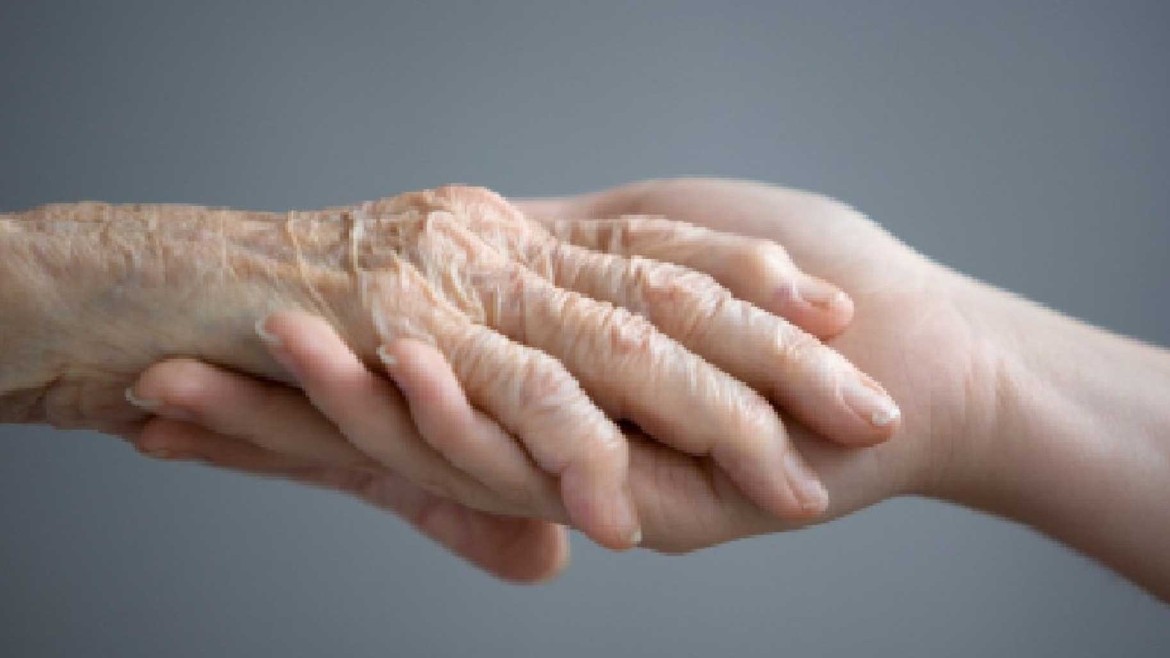
A Breakthrough in Home Care
Many seniors want to do everything they can to stay in their homes as they get older. But often they need help to handle various responsibilities, including getting to medical appointments, shopping, socializing with friends, preparing meals, and managing things around the house. They usually have two choices to get these services. First, they can rely on family members to help them. This is often difficult if their children are working or are not in the immediate area. Second, they can hire aides to come to the home. But this can be very expensive. Aides often cost $20 an hour or more and many seniors just can’t afford them.
But a new alternative is emerging. It is a volunteer non-profit organization created by a community to allow neighbors to help other neighbors. Each senior pays a fee to become part of the network. Fees vary by community and services offered . They range from $175 to $900 a year. Community members volunteer to provide most of the services. Discounted fees are available to people with lower incomes.
Beacon Hill in Boston was probably one of the first neighborhoods to offer such a program. Beacon Hill Village was founded in 2001. To be a member you must be 50 or older and live in communities surrounding Beacon Hill. Services offered to members include:
- Referrals to discounted, vetted providers for everything from dog walkers to plumbers
- A volunteer to assist you in your home or around town
- Geriatric care management for you or your family members anywhere in the US
- Preferred access to MGH Senior Health Medical Practice
- Rides home from a medical procedure that are required by the hospital/doctor
- Personalized grocery shopping—we will drive you or deliver groceries to your home
- Discount prescription drug card—complements Medicare Part D coverage
- Discounts to all providers: Electricians, plumbers, organizers, personal trainers, massage therapists, and homecare specialists
A similar program was recently set up on Cape Cod. It is called Nauset Neighbors and boasts that “One call does it all”. It is also staffed by volunteers and serves the communities of Brewster,Orleans, Eastham and Wellfleet.
There are now eight open villages in Massachusetts, including similar groups in Falmouth and Martha’s Vineyard. There are currently about sixty others nationwide, over 120 in the planning stages and the numbers are constantly growing. Each village is unique to its area and resources. Nauset Neighbors is part of the Village to Village Network, whose aim is to exchange information and experience.
=======================
PERMISSION TO REPRINT:
=======================
Financial Advisors may reprint any articles from The Gift of Communication Blog in your own print or electronic newsletter. But please include the following paragraph:
Reprinted from Bob Mauterstock’s The Gift of Communication Blog. Subscribe at http://www.GiftofCommunication.com and receive Bob’s Family Meeting Checklist Guide.